 English
 lugha ya Kiswahili
 Монгол хэл
 Español
 Português
 русский
 Français
 日本語
 Italiano
 한국어
 Malay
 हिन्दी
 Türkçe
 العربية
 Indonesia
 تمل
 український
 فارسی
 Latine
 Azərbaycan

Products


Purlin Roll Forming Machine
Beenew is a leading China purlin roll forming machine manufacturers, suppliers and exporter. This machine is used to produce C and Z shape purlins. With 27 years of experience in roll forming machine industry, we can supply various kinds of machines with high quality and reasonable price.
Send Inquiry
Product Description
BEENEW Purlin Roll Forming Machine is an industrial roll forming system for continuously producing C and Z steel purlins from steel coils. The current standard configuration supports C80–300 mm and Z140–300 mm profiles, 1.5–4.0 mm material thickness, 13-20 forming stations, computer-controlled type changing, hydraulic punching/pre-cutting and ±2 mm cutting length precision.
The machine can be configured for C purlins, Z purlins, or interchangeable C/Z purlins according to the required profile drawing, material grade, thickness, punching pattern, finished length and production capacity.
Purlin Roll Forming Machine Specifications
BEENEW Purlin Roll Forming Machine is currently specified for C80–400 mm and Z140–400 mm profiles, 1.5–4.0 mm material, 13-20 forming stations and ±2 mm cutting length precision. The machine uses computer-controlled type changing and hydraulic punching/cutting for continuous purlin production.
Standard Machine Parameters
|
Parameter |
BEENEW Standard Configuration |
|
Machine Type |
Purlin Roll Forming Machine |
|
Products |
C Purlin / Z Purlin |
|
C Purlin Width |
C80–300 mm |
|
Z Purlin Width |
Z140–300 mm |
|
Purlin Height |
30–80 mm |
|
Material Thickness |
1.5–4.0 mm |
|
Feeding Width |
145–495 mm |
|
Transmission Motor |
11-37 kW |
|
Punch & Cut Motor |
5.5 kW |
|
Type Changing Motor |
0.25 kW + 0.55 kW |
|
Type Changing |
Computer Control |
|
Shaft Diameter |
70-95 mm |
|
Roller Material |
GCr15 |
|
Speed Control |
AC Frequency Control |
|
Punching/Cutting |
Hydraulic, Pre-Cutting & Pre-Punching |
|
Forming Stations |
13-20 |
|
Cutting Length Precision |
±2 mm |
|
Machine Weight |
Approx. 12,300 kg |
What Is a Purlin Roll Forming Machine?
Purlin roll forming machine is a continuous cold-forming production line that converts steel coil into structural C or Z purlins. It progressively bends the strip through multiple forming stations and can integrate leveling, punching, cutting and computerized control into one production process.
Purlin Machine Definition
|
Item |
Description |
|
Input |
Steel coil |
|
Forming Method |
Continuous cold roll forming |
|
Main Products |
C and Z purlins |
|
Typical Operations |
Leveling, feeding, punching, forming, cutting |
|
Control |
PLC/HMI or computerized control |
|
Output |
Cut-to-length C/Z purlins |
C and Z purlins are commonly used as secondary structural members in steel buildings, warehouses, industrial facilities and agricultural structures.
What Purlins Can a Purlin Roll Forming Machine Produce?
A purlin roll forming machine can be designed for C purlins, Z purlins or interchangeable C/Z purlins. The producible dimensions depend on the roll tooling, shaft arrangement, adjustment system and final profile drawing rather than on the machine name alone.
Product Capability
|
Profile |
BEENEW |
|
C Purlin |
C80–300 mm |
|
Z Purlin |
Z140–300 mm |
|
Purlin Height |
30–80 mm |
|
Material Thickness |
1.5–4.0 mm |
|
C/Z Interchangeable |
Available on selected configurations |
|
Punching |
Configurable |
|
Cutting |
Hydraulic |
C Purlin
C purlins have a C-shaped cross-section and are commonly used for roof and wall support structures.
Z Purlin
Z purlins have a Z-shaped cross-section and can be useful where overlapping connections are part of the structural design.
C/Z Interchangeable Purlin
A C/Z interchangeable machine is designed to produce multiple C and Z profiles from one production line.
How Does a Purlin Roll Forming Machine Work?
A typical purlin roll forming line starts with coil loading and decoiling, followed by guiding and leveling, punching, pre-cutting, progressive roll forming, hydraulic cutting and finished-product output. Each stage controls a different production variable, so the complete line must be evaluated rather than judging the main roll former alone.
Production Flow
Steel Coil → Decoiler → Feeding & Leveling → Punching → Pre-Cutting → Roll Forming → Hydraulic Cutting → Output
|
Stage |
Main Function |
|
Decoiling |
Unwinds steel coil |
|
Guiding |
Centers strip |
|
Leveling |
Removes coil deformation |
|
Punching |
Creates connection holes |
|
Pre-Cutting |
Prepares forming sequence |
|
Roll Forming |
Produces C/Z profile |
|
Hydraulic Cutting |
Cuts required length |
|
Output |
Transfers finished purlins |
Coil Loading and Decoiling
The decoiler supplies steel strip continuously to the purlin production line. Its capacity must match coil weight, coil width, inner diameter, outer diameter and material thickness so that the forming line receives stable and controlled material.
Decoiler Selection Parameters
|
Parameter |
Must Be Confirmed |
|
Coil Weight |
Yes |
|
Coil Width |
Yes |
|
Coil ID |
Yes |
|
Coil OD |
Yes |
|
Material Thickness |
Yes |
|
Expansion Type |
Manual / Hydraulic / Automatic |
The decoiler together with the complete production line,no need to add cost.
Guiding and Leveling
The leveling and guiding section prepares the steel strip before forming by controlling its alignment and reducing coil-set deformation. Stable feeding is important because strip misalignment at the entrance can affect the final profile dimensions, hole positions and straightness.
Leveling Parameters
|
Function |
Purpose |
|
Side Guiding |
Maintains strip position |
|
Leveling Rollers |
Straightens strip |
|
Adjustable Guides |
Accommodate width variations |
|
Feeding Rollers |
Transfer material |
BEENEW's related purlin roll former configuration uses adjustable guides and a leveling arrangement with three upper and four lower rollers.
Purlin Punching System
An integrated punching system allows connection holes to be produced during purlin manufacturing instead of requiring a separate downstream drilling operation. Hole diameter, position, spacing and punching sequence should be designed directly from the customer's purlin drawing.
Punching Parameters
|
Requirement |
Example |
|
Hole Type |
Round / Slot |
|
Hole Position |
Web / Flange |
|
Hole Diameter |
Project dependent |
|
Hole Spacing |
Project dependent |
|
Punching Method |
Hydraulic |
|
Control |
PLC / Encoder / HMI |
Pre-Punching vs. Post-Punching
Pre-punching creates holes while the steel strip is still flat, while post-punching creates holes after the profile has been formed. The correct method depends on hole geometry, position, profile shape, production speed and required accuracy.
|
Method |
Typical Advantage |
Main Consideration |
|
Pre-Punching |
Easier access to flat strip |
Hole position must account for forming |
|
Post-Punching |
Directly works on formed profile |
Tooling and positioning can be more complex |
For complex purlin projects, the punching drawing should be reviewed before machine design is finalized.
Roll Forming Process
The roll forming section progressively bends the flat steel strip through multiple roller stations until the required C or Z cross-section is reached. The forming passes must be designed according to material thickness, profile geometry, steel strength and dimensional tolerance.
Forming Parameters
|
Parameter |
BEENEW Standard |
|
Forming Stations |
13-20 |
|
Shaft Diameter |
90/75 mm |
|
Roller Material |
GCr15 |
|
Material Thickness |
1.0–4.0 mm |
|
Drive Motor |
11-37 kW |
How Many Forming Stations Does a Purlin Machine Need?
There is no universal number of forming stations for every purlin machine. The required number depends on profile geometry, material thickness, steel strength, forming angle, required tolerance, machine speed and roller design.
Forming Station Comparison
Competitor data confirms that station counts vary by model, so station number alone should not be treated as a quality ranking.
Material Thickness and Steel Grade
Material thickness is only one part of purlin machine selection; steel grade and yield strength also affect forming load and tooling requirements. BEENEW's published standard configuration supports 1.5–4.0 mm material, while special materials should be confirmed through engineering review.
Material Selection
|
Material Factor |
Why It Matters |
|
Thickness |
Determines forming load |
|
Steel Grade |
Affects mechanical strength |
|
Yield Strength |
Affects forming force |
|
Coil Width |
Determines feeding system |
|
Surface Coating |
Affects tooling and surface protection |
Purlin Roll Forming Machine Speed
Machine speed should be evaluated as production speed for the customer's actual profile and material, not simply as the highest advertised number. Thickness, profile complexity, punching, cutting, acceleration and required dimensional accuracy can all affect usable production speed.
Speed Evaluation
|
Factor |
Effect on Speed |
|
Material Thickness |
Higher thickness may require lower speed |
|
Profile Complexity |
More complex profiles may require controlled forming |
|
Punching |
Limits cycle speed |
|
Cutting |
Affects synchronization |
|
Required Tolerance |
May affect production speed |
|
Machine Design |
Determines stable operating range |
Is 30 m/min Always Better?
No. A higher maximum speed does not automatically mean higher production value because the machine must maintain profile accuracy, punching position, cutting accuracy and stable operation at the required material thickness.
What to Compare Instead
|
Metric |
Better Question |
|
Maximum Speed |
What is the stable speed for my profile? |
|
Output |
How many finished pieces/hour? |
|
Accuracy |
What tolerance is achieved? |
|
Punching |
Can holes remain accurate at production speed? |
|
Cutting |
Is cut length maintained? |
|
Downtime |
How often is manual adjustment required? |
This approach avoids comparing machines using maximum-speed figures alone.
Automatic C/Z Purlin Roll Forming Machine
An automatic C/Z purlin machine combines programmable control with mechanical adjustment to produce multiple profile sizes or C/Z profiles from one production line. Automation can cover size adjustment, punching, cutting, counting and other functions, but the exact scope must be stated in the machine specification.
Automation Functions
|
Function |
Possible Automation |
|
Feeding |
Automatic |
|
Leveling |
Automatic |
|
Punching |
Programmable |
|
Size Change |
Computer Controlled |
|
C/Z Changeover |
Selected Configurations |
|
Length Measurement |
Encoder |
|
Cutting |
Hydraulic |
|
Counting |
PLC |
|
Stacking |
Optional |
What Does C/Z Automatic Changeover Mean?
C/Z automatic changeover means the machine is engineered to change its forming configuration between specified C and Z profiles with reduced manual intervention. Changeover time is configuration-specific and should be measured from the last qualified piece of one profile to the first qualified piece of the next.
Changeover Checklist
|
Question |
Buyer Should Confirm |
|
Does the machine stop? |
Yes / No |
|
Are rollers replaced? |
Yes / No |
|
Are spacers replaced? |
Yes / No |
|
Is tooling manually adjusted? |
Yes / No |
|
Is the cutter changed? |
Yes / No |
|
Is PLC adjustment required? |
Yes / No |
|
Is the first piece included in timing? |
Yes / No |
Gearbox Drive vs. Chain Drive
Both chain and gearbox transmission systems are used in purlin roll forming machines. Chain systems can be suitable for standard applications, while gearbox systems may be selected where higher torque, stability or heavier-duty operation is required; the correct choice depends on the complete machine design.
Drive Comparison
|
Factor |
Chain Drive |
Gearbox Drive |
|
Structure |
Simpler |
More integrated |
|
Cost |
Often lower |
Often higher |
|
Maintenance |
Chain inspection required |
Gearbox maintenance required |
|
Heavy-Duty Use |
Configuration dependent |
Often considered |
|
Torque |
Application dependent |
Suitable for high-torque designs |
|
Selection |
Based on load/design |
Based on load/design |
Beenew Machinery currently offers both gearbox and chain options for different purlin applications.
Purlin Roll Forming Machine Shaft and Roller Design
Shaft diameter, roller material and tooling design must work together to maintain forming stability. BEENEW's published standard configuration uses 90/75 mm shafts and GCr15 rollers, while special profile or material requirements may require a different mechanical design.
Mechanical Parameters
|
Component |
BEENEW Standard |
|
Main Shaft |
90/75 mm |
|
Roller |
GCr15 |
|
Forming Stations |
13-20 |
|
Transmission Motor |
11-37 kW |
|
Speed Control |
AC Frequency Control |
The shaft and roller specifications should be evaluated together with material thickness and profile geometry rather than as isolated numbers.
Hydraulic Cutting System
The cutting system separates the continuously formed purlin into programmed lengths. A properly synchronized hydraulic cutting system should maintain the specified cut length while minimizing deformation at the finished profile.
Cutting Parameters
|
Parameter |
Requirement |
|
Cutting Type |
Hydraulic |
|
Length Control |
Encoder / PLC |
|
Finished Length |
Customer specified |
|
Precision |
BEENEW standard ±2 mm |
|
Blade Material |
Model dependent |
Purlin Roll Forming Machine Applications
C and Z purlins produced by roll forming machines are commonly used as secondary structural members in industrial buildings, warehouses, agricultural buildings and other steel structures. The final application, allowable load and profile selection should always follow the project's structural design.
Common Applications
|
Application |
Typical Purlin Role |
|
Warehouses |
Roof and wall support |
|
Industrial Buildings |
Secondary steel framing |
|
Agricultural Buildings |
Roof/wall framing |
|
Commercial Buildings |
Steel structure support |
|
Steel Workshops |
Roof and wall systems |
|
Construction Projects |
Project-specific structural members |
How to Choose a Purlin Roll Forming Machine
The correct purlin roll forming machine should be selected from the finished profile backward: first define the C/Z drawing, material thickness and steel grade, then determine punching, cutting, speed, automation and transmission requirements. This prevents buying a machine whose advertised range does not match the actual product.
Purlin Machine Selection Checklist
|
Requirement |
Information to Provide |
|
Profile |
C / Z drawing |
|
Width |
Exact dimensions |
|
Height |
Exact dimensions |
|
Lip |
Dimension |
|
Thickness |
Min / Max |
|
Steel Grade |
Q235 / Q345 / Q550 |
|
Yield Strength |
MPa |
|
Punching |
Hole drawing |
|
Length |
Finished length |
|
Speed |
Required output |
|
Automation |
Manual / Semi / Automatic |
|
C/Z |
Single / Interchangeable |
What Profile Drawing Should You Send?
A dimensioned profile drawing is the most important document for configuring a purlin roll forming machine. It should show web height, flange width, lip size, thickness, hole positions and tolerances so the manufacturer can design the forming passes and punching system correctly.
Minimum Drawing Information
Web height
Flange width
Lip dimension
Material thickness
Hole diameter
Hole location
Hole spacing
Finished length
Required tolerance
A PDF, CAD drawing or clearly dimensioned profile image can be used for the initial technical review.
Purlin Roll Forming Machine Price
Purlin roll forming machine price depends on the complete production configuration rather than one standard market price. Profile size, material thickness, C/Z interchangeability, forming stations, punching, cutting, drive system, automation, decoiler and output equipment can all change the final quotation.
Main Price Factors
|
Factor |
Price Impact |
|
C or Z Production |
Configuration |
|
C/Z Interchange |
Additional mechanism/control |
|
Material Thickness |
Mechanical design |
|
Profile Size |
Tooling range |
|
Punching |
Dies and hydraulic system |
|
Cutting |
Cutting system |
|
Drive |
Chain / gearbox / servo |
|
Automation |
PLC and adjustment system |
|
Decoiler |
Capacity |
|
Stacking |
Optional |
|
Electrical Standard |
Country dependent |
A reliable quotation should therefore be based on a complete technical specification rather than machine name alone.
Fully Automatic vs. Semi-Automatic Purlin Machine
The difference between fully automatic and semi-automatic purlin machines is the amount of manual intervention required during production and size change. Buyers should define which functions are automatic instead of relying on the label “fully automatic.”
Automation Comparison
|
Function |
Semi-Automatic |
Fully Automatic |
|
Feeding |
Automatic / Manual |
Automatic |
|
Punching |
Programmed |
Programmed |
|
Cutting |
Automatic |
Automatic |
|
Size Adjustment |
Manual / Assisted |
Computer Controlled |
|
C/Z Change |
Manual on some models |
Automated on selected models |
|
Counting |
Optional |
Programmable |
|
Stacking |
Optional |
Optional |
What Should You Send to Get a Purlin Machine Quote?
To receive an accurate quotation, provide the manufacturer with the profile drawing, material thickness, steel grade, coil width, punching drawing, finished length, required output and automation level. These details allow the manufacturer to configure tooling, drive power, punching and cutting systems correctly.
RFQ Information
Purlin profile drawing
Material grade
Material thickness
Coil width
Hole drawing
Finished length
Required production speed
Required monthly output
C, Z or C/Z interchangeable
Electrical standard
Installation country
Required automation level
BEENEW Purlin Roll Forming Machine Manufacturing Experience
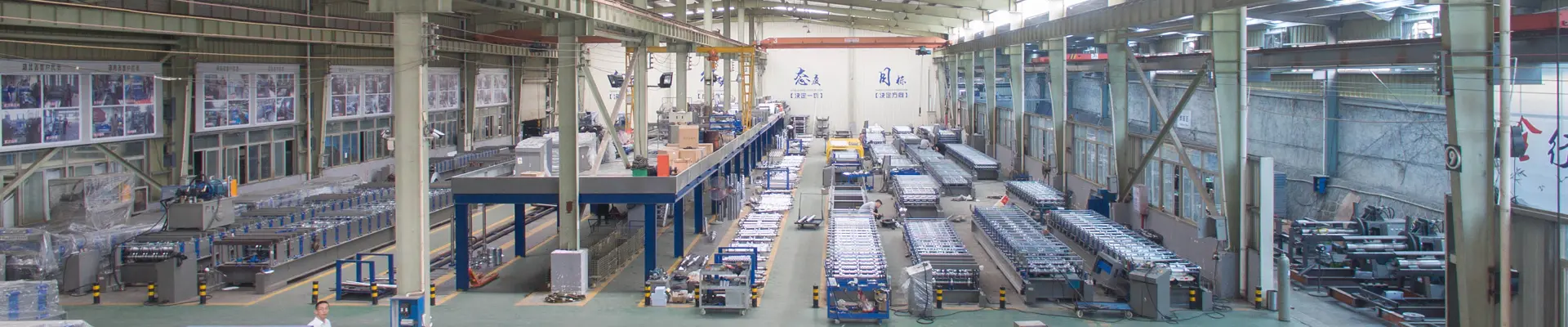
Xiamen Beenew Machinery is a branch company of Xiamen Brandnew Machinery and specializes in cold roll forming machinery. Its factory covers more than 30,000 m², employs more than 200 people and reports annual production capacity of 1,000 roll forming machines, with users in 50 countries.
Manufacturer Facts
|
Item |
BEENEW Information |
|
Company |
Xiamen Beenew Machinery |
|
Parent/Branch Relationship |
Branch of Xiamen Brandnew Machinery |
|
Factory Area |
30,000+ m² |
|
Employees |
200+ |
|
Annual Output |
1,000 sets |
|
International Users |
Nearly 300 |
|
Countries |
50 |
|
Engineering |
Experienced engineer team |
|
Patents |
CZ interchange, automatic changeover and other roll-forming technologies |
Factory Testing Before Shipment
Factory testing should verify the complete production line rather than only the machine running without material. For a purlin machine, the most useful acceptance test includes actual material feeding, forming, punching, cutting and dimensional inspection against the approved profile drawing.
Recommended FAT Checklist
|
Test |
Check |
|
Coil Feeding |
Stable feeding |
|
Leveling |
Strip straightness |
|
Roll Forming |
Profile dimensions |
|
Punching |
Hole position |
|
Cutting |
Finished length |
|
PLC |
Program operation |
|
HMI |
Parameter control |
|
Emergency Stop |
Safety function |
|
Trial Production |
Finished purlin |
|
Final Inspection |
Approved specification |
Why Choose BEENEW for a Purlin Roll Forming Machine?
BEENEW combines roll forming manufacturing, engineering, machine testing and international after-sales support in one supplier. Its published factory information includes more than 30,000 m² of manufacturing space, 200+ employees, annual output of 1,000 machines and nearly 300 users in 50 countries.
Manufacturer Evidence
|
Evidence |
Beenew Information |
|
Manufacturing Facility |
30,000+ m² |
|
Employees |
200+ |
|
Annual Production |
1,000 machines |
|
Global Users |
Nearly 300 |
|
Countries |
50 |
|
Engineering Team |
Yes |
|
Patents |
Multiple roll forming patents |
|
Factory Testing |
Available |
|
Customization |
Profile/configuration based |
Purlin Roll Forming Machine Quality Control
Purlin machine quality depends on the complete manufacturing chain, including frame fabrication, shaft machining, roller production, assembly, electrical wiring, PLC programming and finished-product testing. Quality claims are more useful when supported by measurable inspection records and factory evidence.
Quality Control Points
|
Production Stage |
Inspection |
|
Machine Frame |
Dimensions / welding |
|
Shafts |
Diameter / machining |
|
Rollers |
Profile / surface |
|
Bearings |
Fit / rotation |
|
Assembly |
Alignment |
|
Electrical |
Wiring / components |
|
PLC |
Program / I/O |
|
Trial Run |
Actual production |
|
Finished Profile |
Dimensional inspection |
Purlin Machine Manufacturer: What Should Buyers Verify?
Before purchasing a purlin machine, buyers should verify the manufacturer's factory, machine configuration, actual production test, profile samples, warranty and after-sales process. The most useful evidence connects the advertised specification to a real machine producing the required C/Z profile.
Supplier Verification Checklist
Factory address
Factory video
Machine running video
Finished profile samples
Profile drawing confirmation
Complete machine specification
Electrical specification
Warranty
Spare parts
Installation support
Technical support
Customer references where available
Purlin Roll Forming Machine Warranty and After-Sales Service
An international purlin machine purchase should include clear warranty coverage, commissioning support, technical documentation and spare-parts assistance. BEENEW's stated service positioning includes a 2-year warranty together with lifetime technical support and after-sales service.
Service Scope
|
Service |
Recommended Coverage |
|
Installation Guidance |
Remote / On-site by agreement |
|
Commissioning |
Technical support |
|
PLC Support |
Program assistance |
|
Spare Parts |
Available |
|
Operator Training |
Technical guidance |
|
Warranty |
2 years |
|
Technical Support |
Lifetime |
Purlin Roll Forming Machine FAQ
The most common purlin machine questions concern C/Z production, material thickness, forming stations, speed, punching, changeover, cutting accuracy and machine price. The answers below are structured as direct technical statements so buyers and search systems can identify each question and answer independently.
FAQ Entity Answers
Q1. What is a purlin roll forming machine?
A purlin roll forming machine continuously converts steel coil into C or Z purlins through leveling, punching, progressive roll forming and cutting.
Q2. Can one machine produce both C and Z purlins?
Yes. A C/Z interchangeable purlin machine can be configured to produce both profiles, subject to the machine's specified profile range and changeover system.
Q3. What size purlins can the BEENEW machine produce?
The current published standard configuration supports C80–300 mm and Z140–300 mm profiles, with a purlin height of 30–80 mm.
Q4. What material thickness can it handle?
The current BEENEW standard configuration supports 1.5–3.0 mm material. Special thicknesses or higher-strength steels require engineering confirmation.
Q5. How many forming stations does the machine have?
The current BEENEW standard purlin roll forming machine uses 19 forming stations. The required station count varies according to profile and machine design.
Q6. Can the machine punch holes automatically?
Yes. Hydraulic punching can be integrated into the production line, with punching dies designed according to the customer's hole pattern.
Q7. What is the cutting accuracy?
The current BEENEW specification lists ±2 mm cutting length precision. Actual acceptance criteria should be defined in the final technical agreement.
Q8. How fast can a purlin roll forming machine run?
Production speed depends on material, profile, punching, cutting and machine configuration. Different suppliers publish different maximum speeds, so the stable speed for the customer's exact profile should be confirmed.
Q9. How long does C/Z changeover take?
Changeover time depends on machine design and the definition of “changeover.” Some manufacturers publish 3–5 minute figures for particular configurations, but buyers should request a complete demonstrated changeover using their own profiles.
Q10. Is gearbox transmission better than chain transmission?
Neither is universally better. The appropriate transmission depends on material thickness, forming load, required stability, production speed and the complete machine design.
Q11. Can the machine produce galvanized steel purlins?
Yes, when the galvanized steel specification is compatible with the selected roll forming configuration.
Q12. Can the machine produce customized C/Z profiles?
Yes. Custom profiles can be engineered when the profile dimensions, material properties and production requirements fall within the machine's designed range.
Q13. What determines purlin roll forming machine price?
Price depends on profile range, material thickness, forming system, punching, cutting, transmission, automation, decoiler, electrical configuration and optional equipment.
Q14. What information is needed for a quotation?
Provide the profile drawing, material grade, thickness, coil width, punching drawing, finished length, required output and C/Z production requirements.
Get a Purlin Roll Forming Machine for Your Project
BEENEW can configure a purlin roll forming machine around the customer's C/Z profile, material specification, punching pattern, finished length and production requirements. Send the profile drawing and material data first so the machine configuration can be evaluated technically before quotation.
RFQ Checklist
Please send:
C/Z profile drawing
Material grade
Material thickness
Coil width
Hole drawing
Finished length
Required production speed
Required quantity/output
C, Z or C/Z interchangeable
Electrical standard
Destination country
Xiamen Beenew Machinery Co., Ltd.
No.5, Fuming Road, Tong'an District, Xiamen City, Fujian Province, China
Tel: +86-15959271231
+8613666036199
Email: sophie@beenew-rollformer.com
ivy@beenewrollformingmachine.com
Recommended Related Products
C purlin machines
Z purlin machines
CZ interchangeable machines
Hot Tags: Purlin Roll Forming Machine, China, Manufacturer, Supplier, Factory
Product Tag
Send Inquiry
Please feel free to fill your inquiry in the form below. We will reply you in 24 hours.





X
We use cookies to offer you a better browsing experience, analyze site traffic and personalize content. By using this site, you agree to our use of cookies.
Privacy Policy