 English
 lugha ya Kiswahili
  Монгол хэл
  Español
  Português
  русский
  Français
  日本語
日本語  Italiano
  한국어
한국어  Malay
Malay  हिन्दी
  Türkçe
  العربية
  Indonesia
  تمل
تمل  український
  فارسی
فارسی  Latine
  Azərbaycan
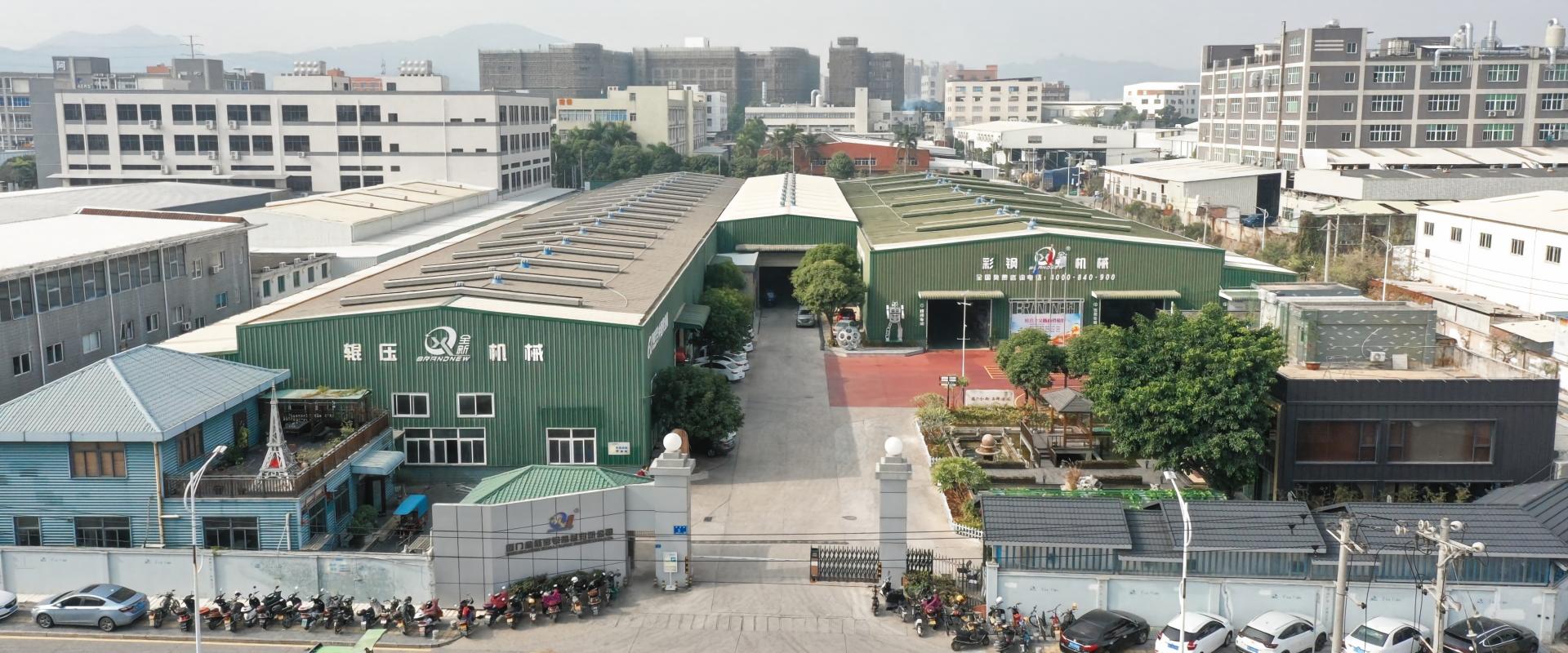
Roll Forming Machine Price
The price of a roll forming machine depends on five key factors:
Profile design
Material thickness
Production speed
Automation level
Optional equipment
A basic machine can vary significantly from a fully automated line. For an exact price, you need 1 profile drawing and at least 4 specs: material, thickness, coil width, and required output.
How Much Does a Roll Forming Machine Cost?
A roll forming machine has no set price. Each machine is customized for different profiles and production methods. The final quote depends on 5 key factors: profile design, material specs, roller setup, automation level, and extra equipment.Beenew Machinery's forming machine price from USD9800 to USD59800 or more.
What Factors Affect Roll Forming Machine Price?
The biggest price differences come from machine capacity and customization needs. A machine for 1 simple profile requires a different roller system and production setup compared to a line that includes punching, automatic cutting, and multiple functions.
Profile Complexity
A complex metal profile may need extra forming stages and custom roller tools. A typical roll forming machine uses 10 to 25 roller stations or more. This varies based on the profile geometry.
Material Thickness
Material thickness affects machine strength, roller design, drive systems, and forming force. Most roll forming machines handle materials from 0.3 mm to 4.0 mm. However, the actual range should match the approved material specs.
Production Speed
Higher production demands may need a stronger drive system, better automation, or more material handling equipment. Typical roll forming speeds are around 10–30 m/min. This varies based on the profile, material, punching process, and cutting method.
Automation Level
A manual or basic machine has a different setup than an automated production line. Automation can involve:
PLC control;
Automatic feeding;
Servo positioning;
Inline punching;
Automatic cutting;
Punching Requirements
Inline punching adds complexity. The machine must coordinate forming with hole positioning. The punching system can be designed for fixed holes, multiple hole patterns, or programmable positions.
Cutting System
The cutting method impacts both machine setup and production efficiency. You can choose hydraulic, pneumatic, or servo-controlled cutting based on your profile and production process.
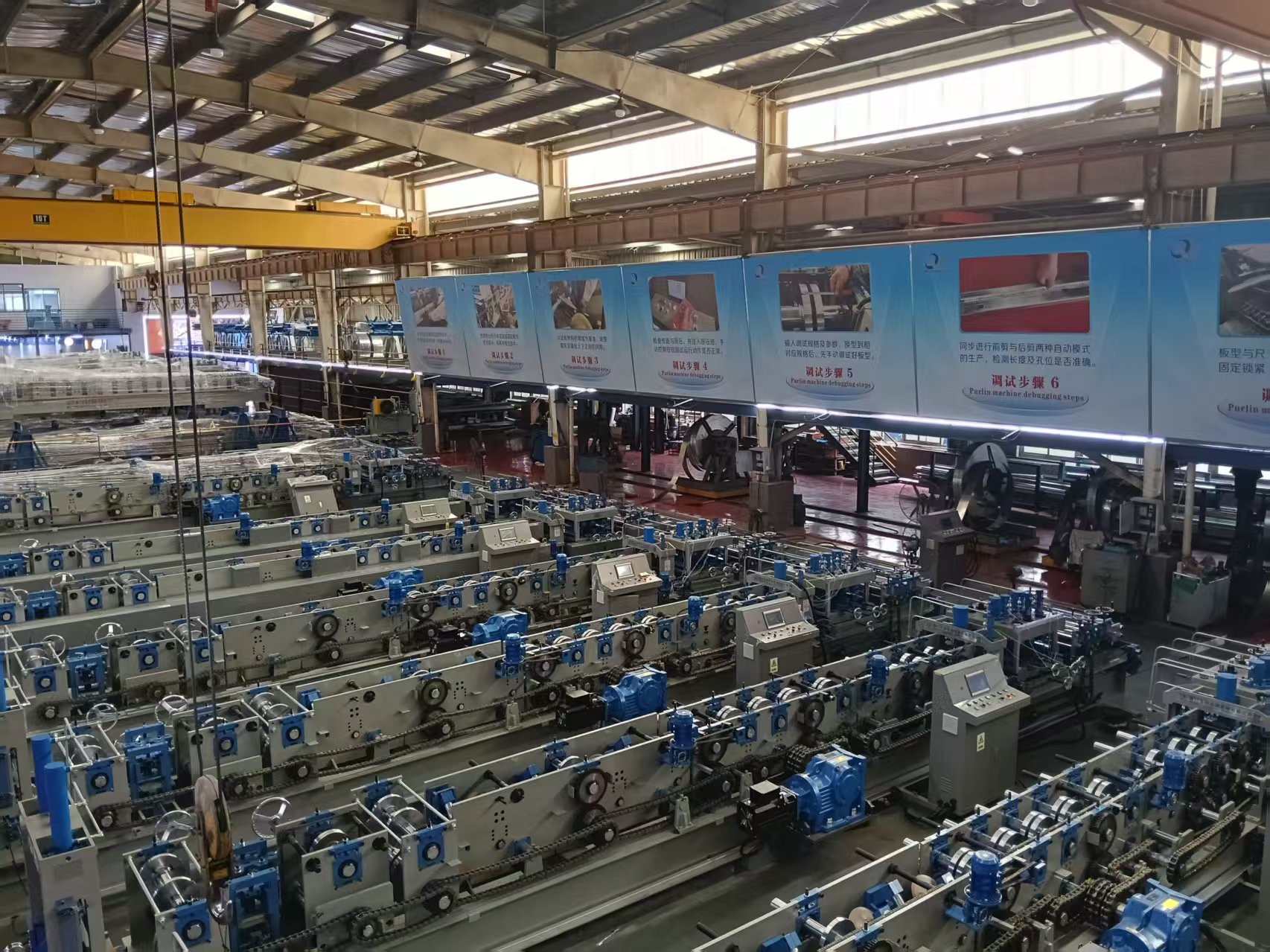
What Is Included in the Roll Forming Machine Price?
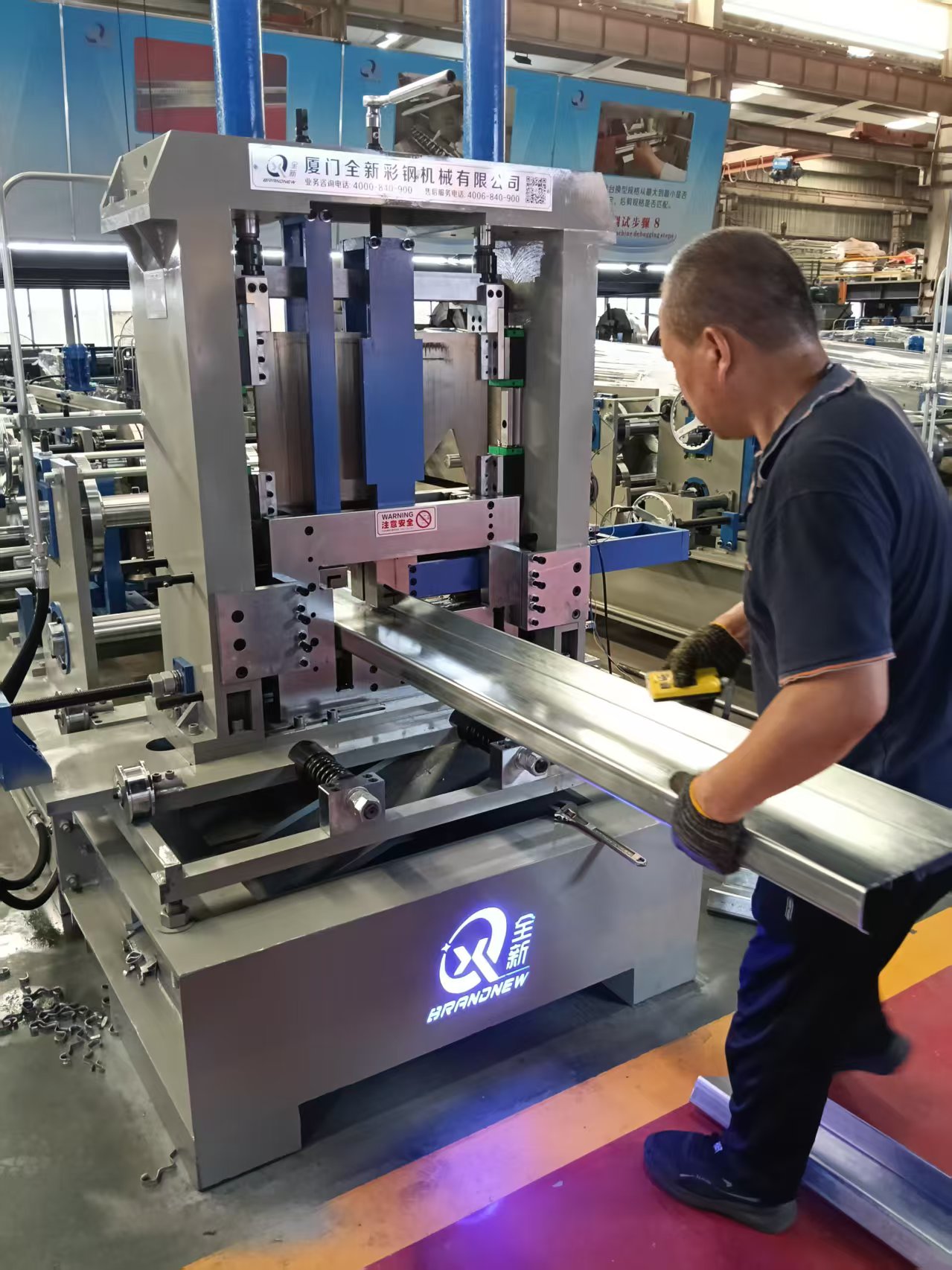
A basic quote should outline the equipment in the production line. A complete setup can include an uncoiler, feeding system, roll forming unit, punching system, cutting unit, run-out table, and electrical control cabinet. The exact components should be listed in the technical quote before confirming an order.
Does a Basic Roll Forming Machine Cost Less?
A basic machine typically requires fewer automated components and auxiliary systems. The lowest machine price doesn’t always lead to lower production costs. This is true if your project requires continuous production, automatic cutting, or inline punching. Choose the right configuration based on production needs, not just purchase price.
How Does Customization Affect the Machine Price?
Customization impacts engineering time, roller tooling, machine structure, and automation parts. A custom project usually starts with 1 profile drawing, which shows the forming shape and production needs. Providing complete specs before the quote can reduce changes during engineering.
What Information Is Needed for an Accurate Roll Forming Machine Price?
Key information includes the profile drawing, material type, material thickness, coil width, and required production capacity. These 5 inputs allow the supplier to evaluate roller design, machine capacity, and automation level. Additional details like punching patterns, finished product lengths, voltage, and coil weight can improve quote accuracy.
How Can You Compare Roll Forming Machine Prices?
Don’t compare quotes based on total price alone. Look at at least 6 technical factors: material range, roller stations, production speed, punching system, cutting system, and included equipment. Two machines with similar prices may have different production capabilities and automation levels.
Why Can Two Roll Forming Machines Have Different Prices?
Machines can differ in price due to varying material capacity, production speed, tooling, or automation. For example, a machine for 1 dedicated profile will have a different cost structure than one for interchangeable profiles. Always compare technical specs and scope before looking at final quotes.
Does the Number of Roller Stations Affect the Price?
Yes. The number of roller stations affects the tooling and machine structure needed for forming. A typical setup may include about 10–25 forming stations, while complex profiles may need more stages. The final station count should come from the approved profile drawing, not just a product name.
How Does Production Capacity Affect Roll Forming Machine Cost?
Higher output needs may require faster forming, improved material handling, and higher automation. A production line running at 10–30 m/min may need a different setup based on punching, cutting, and profile complexity. Specify the required output before finalizing machine configuration.
Can You Get a Roll Forming Machine Price Without a Drawing?
You might get a preliminary estimate with basic production info. However, for a technical quote, 1 dimensioned profile drawing is essential. The profile determines roller design and machine setup. The more complete the production specs, the more accurate the quote.
How to Request a Roll Forming Machine Quote
Send us your profile drawing, material type, material thickness, coil width, and required production capacity. These 5 core specifications help us recommend the right roll forming machine configuration. We’ll prepare a technical proposal showing the machine scope, main specs, and quotation.Beenew Machinery is the roll forming machine manufacturer with 29 years experience.
Get Your Roll Forming Machine Price
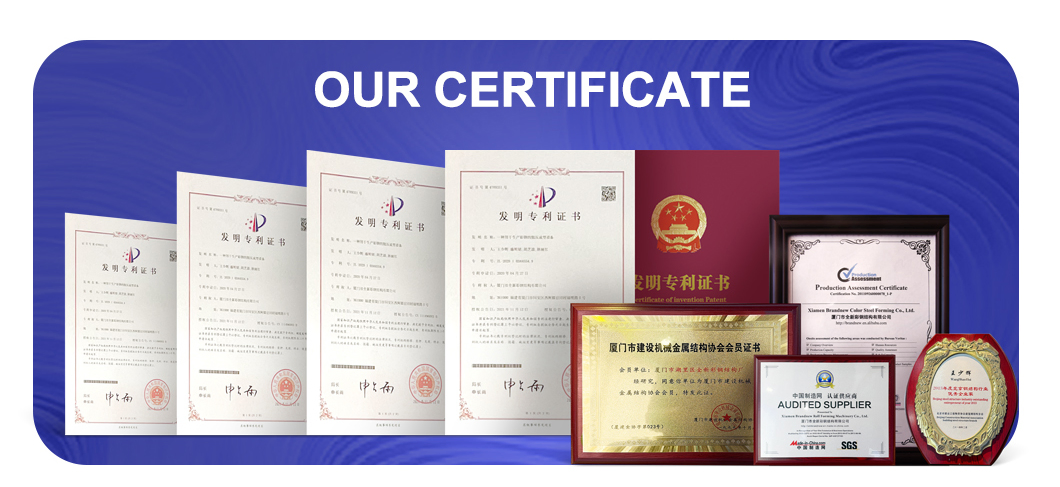
Beenew Machinery Certifications
Our manufacturing and quality management processes are supported by relevant certifications and documented quality controls. Available certificates and compliance documents can be provided upon request for specific projects and markets.
FAQ: Roll Forming Machine Price
What is the price of a roll forming machine?
The price depends on profile design, material thickness, roller tooling, production speed, automation level, and included equipment. An accurate quote should be based on at least 1 profile drawing and 4 production specifications.
What makes a roll forming machine more expensive?
More complex profiles, thicker materials, additional roller stations, punching equipment, automated cutting, and higher automation levels can raise the machine cost. A production line with multiple integrated processes generally has more components than a basic 1-profile forming machine.
Is a cheaper roll forming machine always better for a new factory?
Not always. A lower initial price may mean fewer production functions or a narrower material range. Compare at least 6 specifications before deciding: material capacity, roller stations, speed, punching, cutting, and included equipment.
How much does a custom roll forming machine cost?
A custom machine's price depends on the exact profile and production needs. The quote should come from the profile drawing, material specs, coil width, and target output rather than from a generic machine category.
Does material thickness affect the machine price?
Yes. Material thickness impacts forming force, machine frame, roller design, and drive system. Typical machines may handle about 0.3 mm to 3.0 mm, depending on the material and application.
Does production speed affect the price?
Yes. Higher production needs may require different drive systems and automation parts. Typical speeds can be around 10–30 m/min, depending on the profile and production process.
What should I send to get an accurate roll forming machine quotation?
Send the profile drawing, material type, thickness, coil width, and required production capacity. These 5 inputs provide the basic info needed to evaluate the machine configuration.
How can I compare quotations from different roll forming machine suppliers?
Compare the technical scope before looking at the total price. Check at least 6 factors: material range, roller station quantity, production speed, punching system, cutting system, and included equipment.



X
We use cookies to offer you a better browsing experience, analyze site traffic and personalize content. By using this site, you agree to our use of cookies.
Privacy Policy